How to Prepare Your Site for a Cabin or Container Delivery
When you’re expecting a cabin or container delivery, good preparation is everything. A smooth delivery doesn’t just depend on the transport team — it starts with the site itself. Whether you’re installing a garden office, storage unit, welfare cabin, or a full modular setup, taking the right steps beforehand will save time, prevent delays, and protect your investment.
Below is a clear, practical guide to help you get your site ready.
1. Confirm Access for Delivery Vehicles
Cabins and containers are large, heavy units, and the vehicles delivering them need enough space to manoeuvre safely.
Key things to check:
Road access: Ensure the route to your site can accommodate large lorries or HIAB vehicles. Narrow lanes, low bridges, or tight corners may require alternative planning.
Entrance width: Your gate or entrance should be wide enough for the delivery vehicle to enter or reverse into.
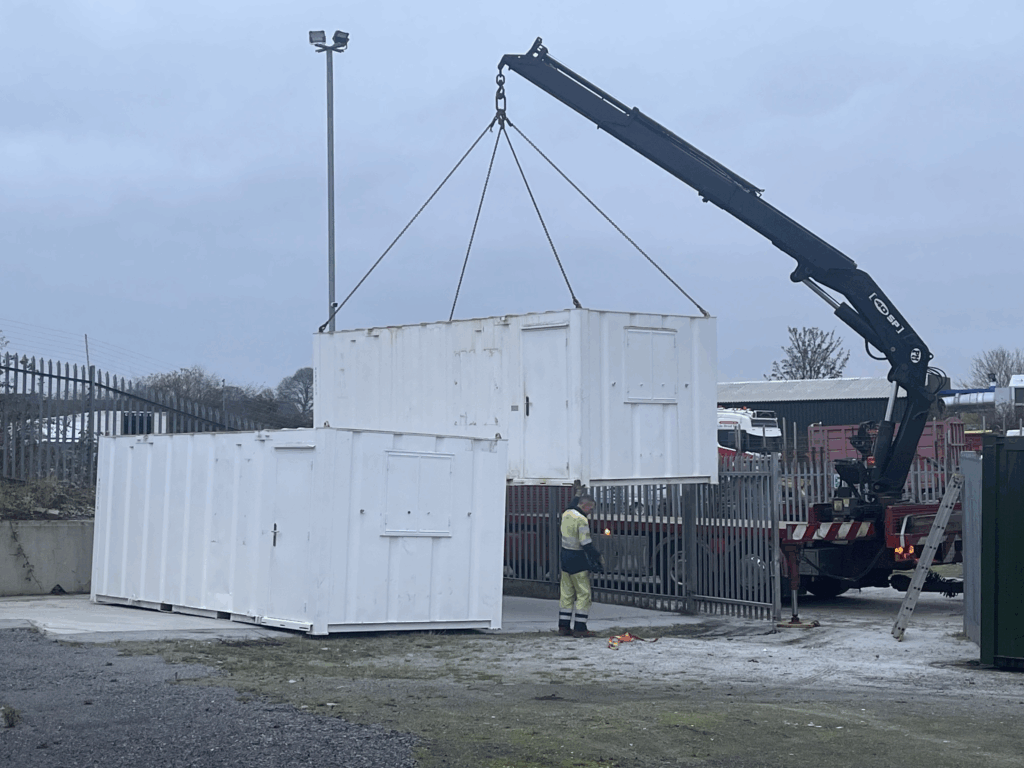
Overhead clearance: Look out for trees, cables, or overhanging structures that could obstruct lifting equipment.
Ground conditions: Soft, muddy, or uneven ground can make access difficult. If needed, consider temporary ground protection.
2. Prepare a Level, Stable Base
A solid foundation is essential for the longevity and stability of your cabin or container.
Suitable base options include:
Concrete pad (most durable and recommended)
Concrete slabs
Timber sleepers
Compacted hardcore
Why a level base matters:
Prevents twisting or warping of the structure
Ensures doors and windows operate correctly
Supports even weight distribution
Reduces long‑term maintenance issues
If you’re unsure, ask your supplier for the exact base dimensions required.
3. Clear the Delivery Area
Before delivery day, make sure the area is completely clear.
Remove or relocate:
Vehicles
Garden furniture
Rubbish or debris
Tools or equipment
Overgrown vegetation
A clear site allows the delivery team to work efficiently and safely.
4. Check for Underground and Overhead Hazards
Safety is a top priority during any cabin or container installation.
Look out for:
Underground utilities: gas, water, drainage, electrical cables
Overhead lines: power cables, telephone wires
Nearby structures: sheds, fences, walls, or trees
If lifting equipment is required, the team will need a hazard‑free zone to operate.
5. Plan for Power, Water, and Other Services
If your cabin will require utilities, it’s best to plan these before installation.
Consider:
Electrical connection points
Water supply and drainage
Internet or data cabling
Heating or air‑conditioning requirements
Pre‑planning avoids the need to move or adjust the cabin later.
6. Ensure Someone Is On‑Site During Delivery
Having someone present on delivery day is extremely helpful.
They can:
Confirm the exact placement of the cabin or container
Provide access to the site
Answer any questions from the delivery team
Approve the final positioning
This avoids misunderstandings and ensures the unit is placed exactly where you want it.
7. Check Weather Conditions
While deliveries can take place in most conditions, extreme weather can cause delays.
Potential issues include:
High winds (unsafe for crane lifting)
Heavy rain (soft ground or poor visibility)
Snow or ice (slippery surfaces)
If the weather looks challenging, your supplier may advise rescheduling for safety reasons.
8. Communicate With Your Supplier
Good communication is the easiest way to ensure a smooth delivery.
Share details such as:
Access restrictions
Base type and dimensions
Preferred delivery times
Any potential obstacles
Site photos or videos
The more information the delivery team has, the better they can prepare.
Final Thoughts
Preparing your site properly is the key to a stress‑free cabin or container delivery. With the right access, a solid base, and a clear working area, your installation will be quick, safe, and efficient. A little planning goes a long way — and ensures your new unit is ready to use from day one.